
The global sports community has been left deeply moved by an extraordinary story that transcends competition, records, and medals. Marc Márquez, one of the most celebrated figures in modern motorsport, has stunned the world with an emotional declaration that instantly captured international attention: “I will cover the full tuition fees for the boy and his two siblings until they reach adulthood!” The statement, heartfelt and unequivocal, came after Márquez learned about the heroic actions of a 14-year-old Australian boy whose courage and endurance have since been described as nothing short of miraculous.
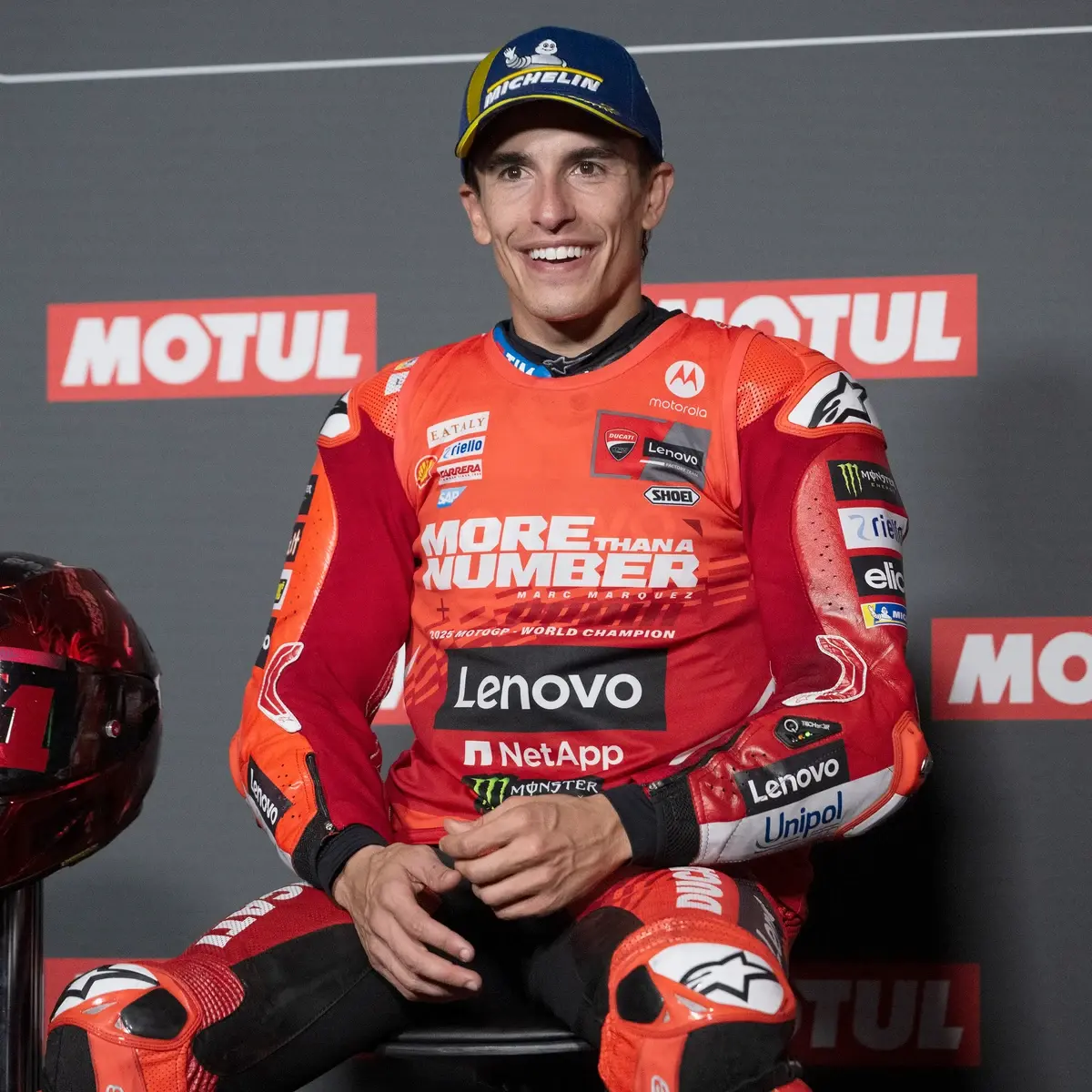
Márquez himself responded emotionally upon hearing of the boy’s wishes. Sources close to the rider say he is exploring ways not only to fund the siblings’ education but also to contribute to broader youth water-safety initiatives in Australia. While no official foundation partnership has yet been announced, the possibility has generated significant public anticipation.
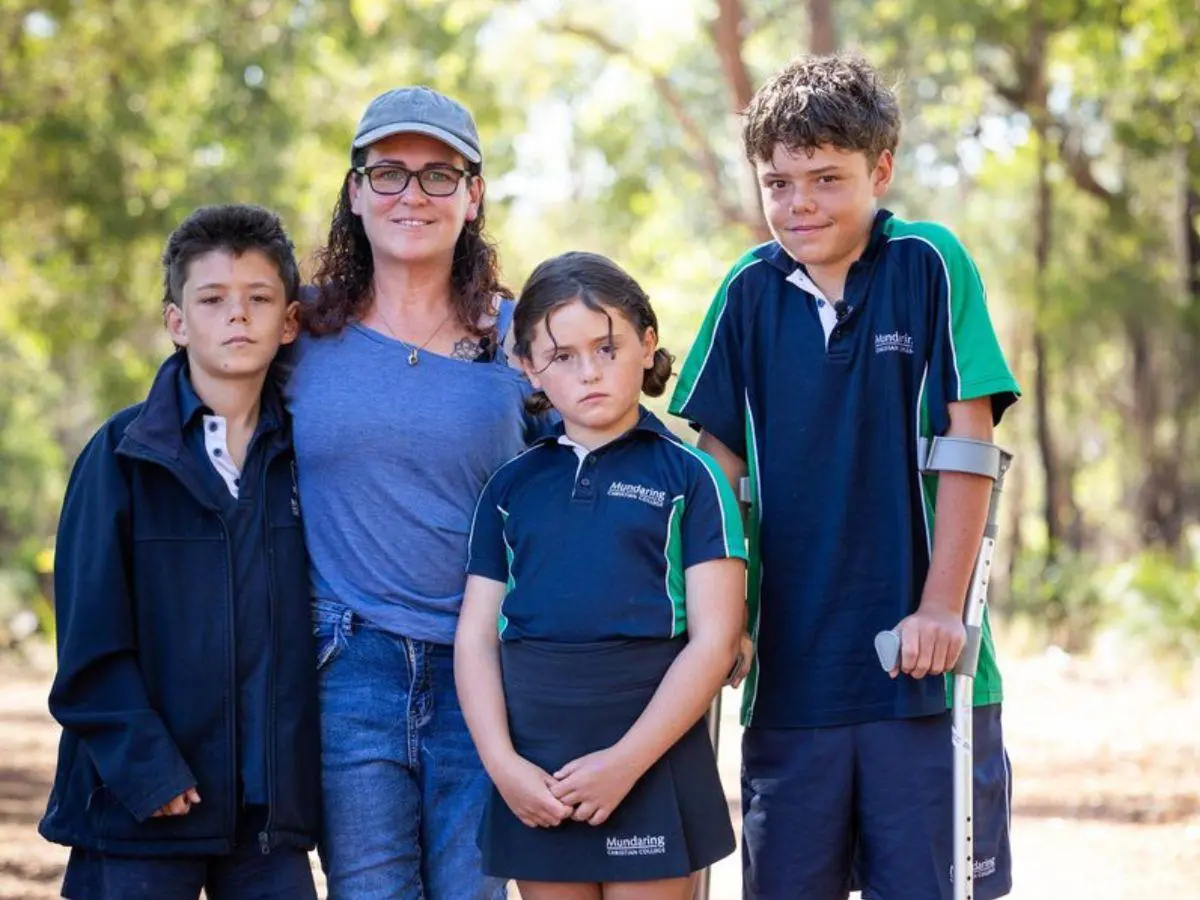
Within the motorsport world, Márquez’s gesture has further strengthened his image as a champion beyond racing. Throughout his career, he has been admired for his relentless competitive spirit, but also respected for his perseverance through severe injuries that once threatened to end his career. This latest act of philanthropy adds another dimension to his legacy — one defined by compassion and social responsibility.
Sports marketing experts believe the moment could have a lasting reputational impact. In an era where athlete branding often revolves around endorsements and performance metrics, authentic humanitarian actions carry exceptional weight. Márquez’s pledge is being cited as an example of values-driven influence — the ability of global sports icons to spotlight stories that might otherwise remain local.
Meanwhile, in Australia, the rescued family has issued statements of gratitude while requesting privacy as they recover from the traumatic event. Community members have organized local fundraisers, though many now expect broader national initiatives to emerge following international exposure.
Educators have also pointed to the story as a teaching moment. Schools across several regions have shared the boy’s experience in assemblies and safety workshops, emphasizing courage, quick thinking, and the importance of swimming skills. His story, once a personal family crisis, is evolving into a nationwide conversation about youth capability and preparedness.
For Márquez, the decision to step in financially appears deeply personal rather than performative. In past interviews, he has spoken about the importance of family support in his own journey from a young Spanish rider to a MotoGP icon. Observers suggest he sees in the boy a reflection of the same determination — channeled not into sport, but into saving lives.
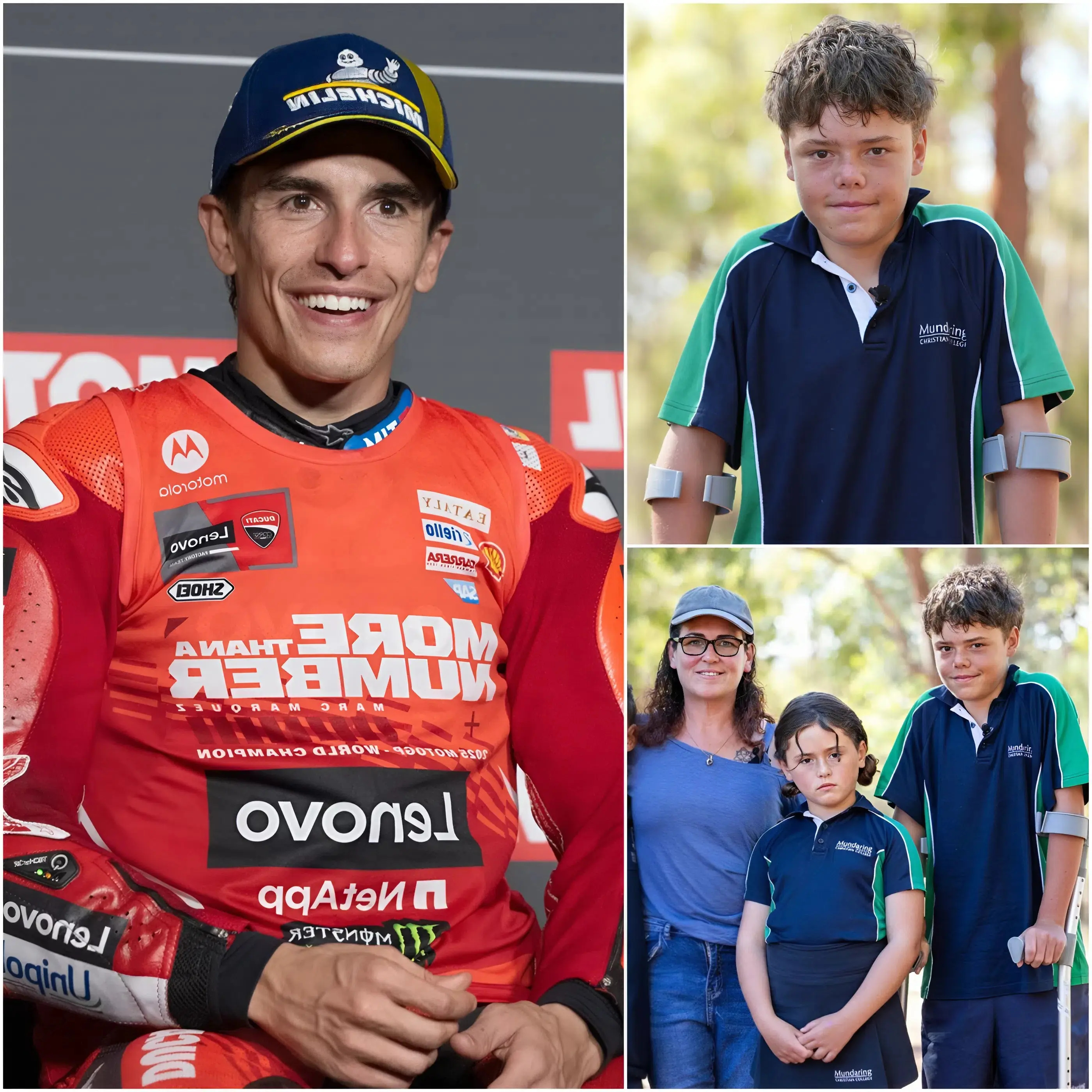
As the story continues to circulate globally, it resonates because it merges two powerful narratives: the heroism of an ordinary teenager and the generosity of an extraordinary athlete. One risked everything in a moment of crisis; the other responded by investing in that courage’s future.
In a sporting world often dominated by contracts, rivalries, and results, this moment stands apart. It reminds fans why athletes hold such influence — not merely for what they achieve in arenas or on circuits, but for how they choose to act when confronted with humanity at its most raw and inspiring.
Whether through education funding, safety advocacy, or future charitable collaborations, the ripple effects of this encounter are only beginning. Yet one truth is already clear: the bond formed between a world champion and a 14-year-old hero has created a story far greater than sport — one defined by bravery, humility, and the enduring power of compassion.


