
Britain’s political temperature spiked dramatically after Rupert Lowe delivered a speech on immigration that critics described as incendiary and supporters hailed as unapologetically direct.

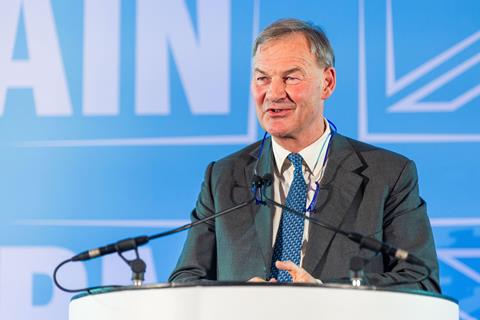
Speaking at a packed event streamed live online the Reform MP framed his remarks as a response to what he called a deepening crisis of illegal migration and integration.
The stark phrasing of his message reverberated across news channels within minutes prompting immediate condemnation from opposition benches and civil society groups.
Lowe argued that border control represents the fundamental responsibility of a nation state insisting that law without consequence erodes public trust.
He criticized what he described as a culture of appeasement claiming that failure to enforce immigration rules burdens taxpayers and strains community cohesion.
That expansion intensified the reaction because it touched upon sensitive questions of identity belonging and cultural pluralism. Critics accused Lowe of painting entire communities with a single brush and inflaming suspicion toward Muslim citizens who are fully integrated.
Supporters countered that his comments targeted unlawful behavior rather than faith and reflected frustration shared by many voters. Labour MPs responded swiftly labeling the language divisive and warning that such rhetoric risks legitimizing hostility.
Community leaders expressed concern that sweeping generalizations may fuel social tension in neighborhoods already navigating economic challenges.
Immigration scholars noted that Britain’s migration system is complex involving asylum law labor shortages and international obligations.
They cautioned that simplistic slogans rarely capture the legal nuance governing detention and deportation procedures.
Lowe’s defenders replied that robust enforcement can coexist with legal safeguards provided due process remains intact.
The controversy escalated further when he reiterated that foreign criminals should face immediate detention and deportation upon sentence completion.
Policy analysts highlighted backlogs resource limitations and diplomatic hurdles complicating swift deportation in practice. Nevertheless the emotional resonance of decisive language proved powerful among constituents who feel anxious about border management.

Street interviews captured polarized reactions some praising clarity others expressing fear about rising intolerance. Religious organizations called for calm dialogue reminding the public that millions of Muslim Britons contribute positively to society.
Business groups warned that inflammatory rhetoric might deter skilled migrants vital to sectors including healthcare technology and hospitality.
Lowe maintained that his remarks aimed at unlawful conduct and national sovereignty not lawful citizens practicing their faith.
He framed the debate as survival of democratic norms rather than cultural hostility. Opponents insisted that tone matters as much as policy arguing that language can either unify or fracture diverse societies.
Social media algorithms accelerated circulation ensuring the clip reached audiences far beyond the original event venue. Hashtags related to deportation and remigration trended nationally reflecting both enthusiasm and outrage.
Academics observed that immigration remains among the most emotionally charged policy areas in contemporary democracies. Economic studies show migration’s impact varies by region sector and skill level complicating sweeping conclusions.
Participants shared personal migration stories illustrating contributions challenges and aspirations within British society. These discussions revealed both genuine frustration over administrative failures and deep commitment to coexistence.
Opinion polls conducted days after the speech indicated a divided electorate with significant support for tougher enforcement alongside concern about divisive rhetoric.
International observers noted that similar debates are unfolding across Europe and North America amid shifting migration patterns.
The episode underscores how quickly a forceful statement can reshape national agenda pushing immigration to forefront of political discourse. Whether Rupert Lowe’s message translates into legislative change remains uncertain within Britain’s parliamentary framework.

What is clear is that the speech exposed fault lines over sovereignty integration and the moral vocabulary leaders choose. Democratic societies must grapple with border control while safeguarding equal dignity under law for all citizens.
The coming months will test whether Britain can pursue policy reform without surrendering social cohesion. For now the controversy stands as a vivid example of how rhetoric can ignite passion fear and urgent debate in equal measure.


