
A surge in politically charged commentary surrounding UK Prime Minister Keir Starmer has drawn attention to growing tensions over public order, governance, and the interpretation of protest movements. While recent online narratives have framed the situation as a dramatic turning point, the absence of verifiable primary-source dialogue or an official transcript leaves key aspects of the debate open to interpretation.

The discussion appears to center on accusations that the government has characterized certain public demonstrations or dissenting voices as “extremist,” prompting criticism from commentators who argue that such language risks marginalizing broader segments of the population. These claims, however, are presented without direct citation of parliamentary exchanges or official statements in the provided material.
According to the accompanying description, critics suggest that public reaction has not aligned with the government’s expectations. Rather than discouraging dissent, the rhetoric is said to have intensified scrutiny, with references to alleged internal reports and policy outcomes being circulated in response. The framing implies a disconnect between government messaging and public sentiment.
At the core of the debate is the effectiveness of what is described as an “integration policy.” Commentators cited in the narrative argue that this policy has not achieved its intended outcomes, though no specific policy document, timeline, or measurable indicators are referenced in the available material. As such, the claim remains an assertion rather than a substantiated conclusion.
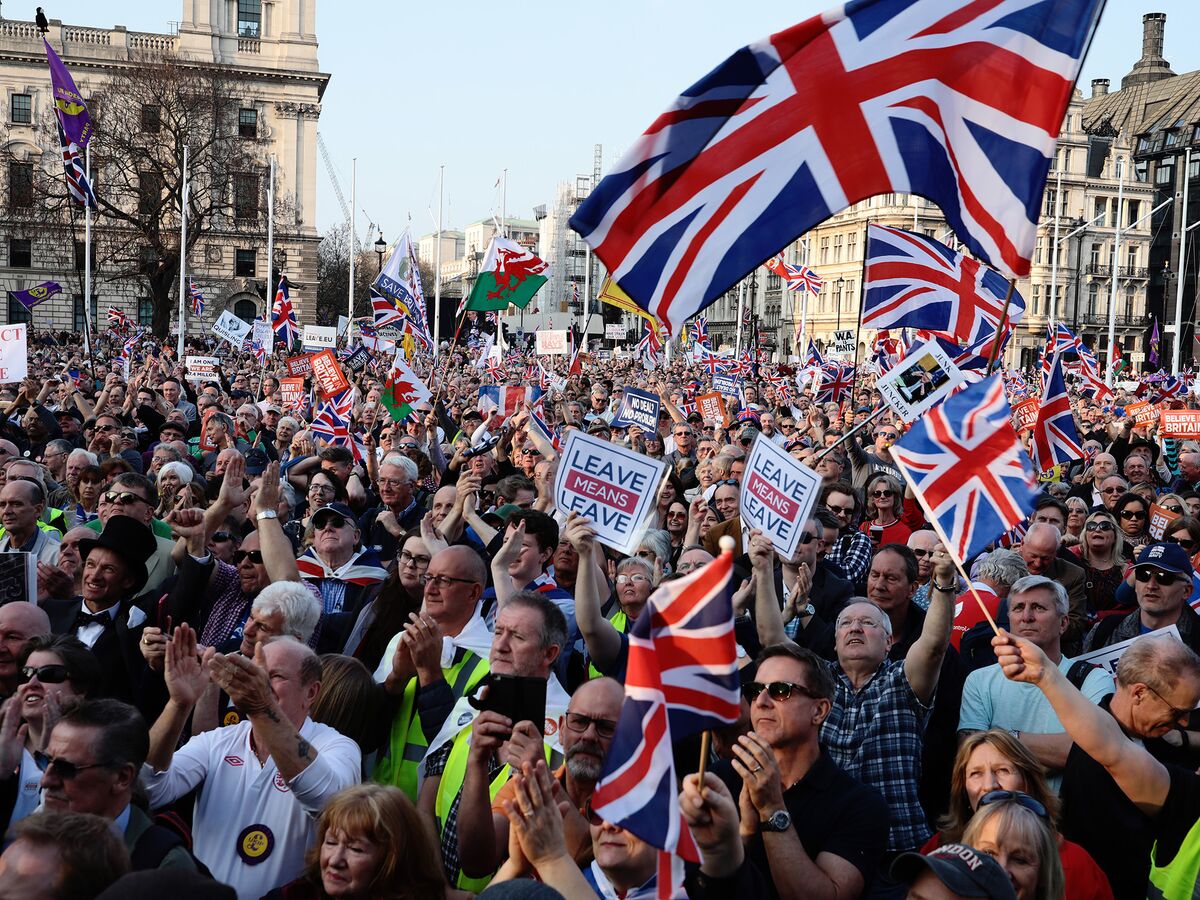
The description also alludes to a “leaked security report,” specifically highlighting a “four-word admission” purportedly contained within it. However, no excerpt, context, or verification of such a document is included in the transcript data provided. Without corroborating evidence, it is not possible to assess the accuracy or significance of this claim.
From a political communications perspective, the situation reflects a broader pattern in which competing narratives attempt to define the meaning of public events. On one side, the government is portrayed as attempting to maintain order and manage security concerns; on the other, critics frame these efforts as overly restrictive or disconnected from public realities.
Notably, the absence of a direct exchange—such as a parliamentary debate, interview, or official statement—limits the ability to evaluate the substance of the arguments being made. Unlike documented proceedings, where positions can be compared and scrutinized line by line, the current material relies heavily on interpretive framing.
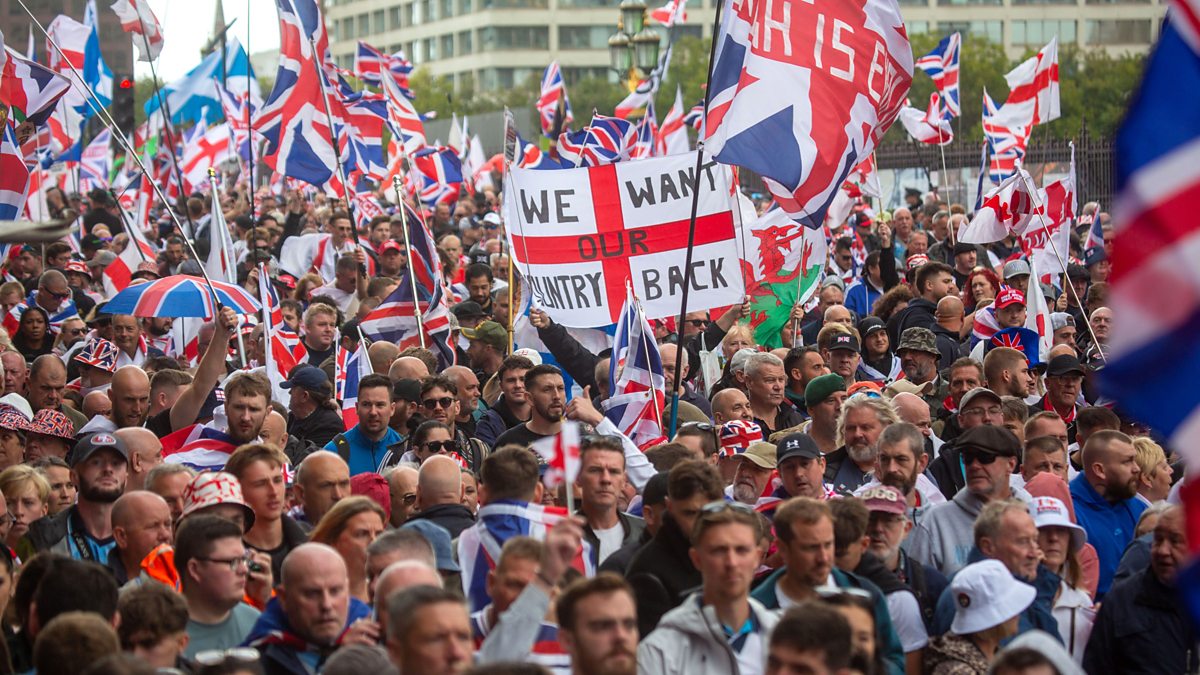
The language used in the accompanying caption suggests a high level of political polarization, with references to institutional instability and widespread public dissatisfaction. However, such characterizations are not supported by specific data points or official responses within the transcript itself.
This gap highlights an important distinction between commentary and verifiable reporting. While public discourse often amplifies perceived turning points or moments of tension, the absence of primary-source confirmation makes it difficult to determine whether these perceptions reflect broader institutional realities.
In terms of governance, questions about public trust, policy effectiveness, and the management of dissent are recurring themes in democratic systems. Without detailed evidence, however, it remains unclear how these issues are currently being addressed at the policy level in this specific case.
The situation also underscores the role of media framing in shaping political narratives. Descriptions of events as a “collapse” or “meltdown,” while rhetorically impactful, require careful contextualization to distinguish between opinion-driven interpretation and documented developments.
As it stands, the claims presented—ranging from policy failure to internal admissions—cannot be independently verified based on the provided transcript. This limits the scope of analysis to the framing of the debate rather than its factual resolution.

In conclusion, while the narrative reflects heightened political tensions and competing interpretations of government actions, the lack of concrete transcript evidence means that the underlying issues remain unresolved. Whether the concerns raised will translate into measurable political or policy consequences is, at this stage, still a matter of ongoing debate.


